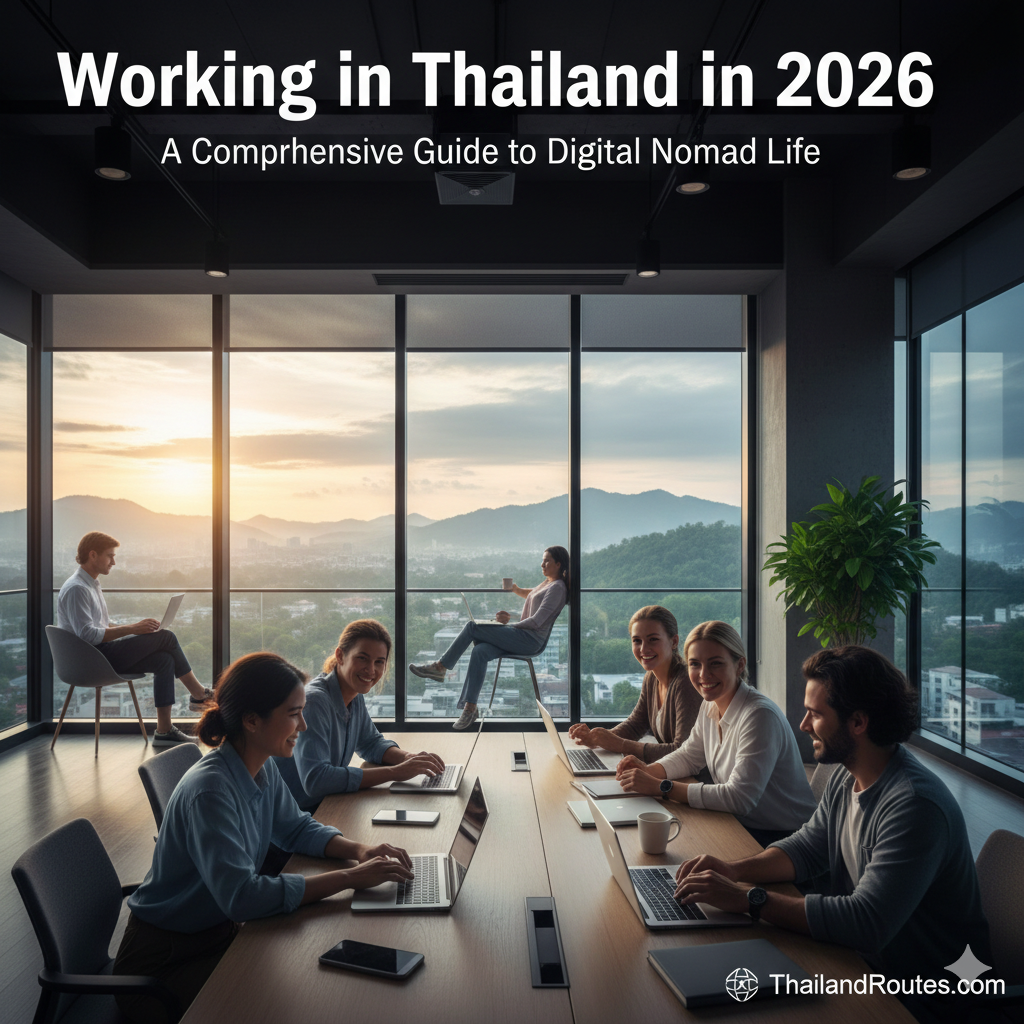
Why Thailand Is Attracting Foreign Job Seekers in 2026
Tropical beaches, a warm climate, delicious food, and a relatively low cost of living have made Thailand a magnet for travelers for decades. But in 2026, Thailand is not just a tourist paradise—it’s also becoming a growing hub for foreign professionals, digital nomads, and entrepreneurs. The Thai government has implemented friendlier visa policies for skilled workers and remote employees, making it easier than ever for foreigners to work legally in the country.
For job seekers from around the world, Thailand offers a fascinating mix of opportunity, adventure, and culture. Whether you want to teach English in Bangkok, work remotely from Chiang Mai, manage a hotel in Phuket, or launch a small business on an island, the job market is broad and dynamic.
This guide explores everything a foreigner needs to know about finding work in Thailand in 2026: job types, legal requirements, salaries, industries in demand, and practical tips for long-term employment.
1. Overview of the Job Market in Thailand 2026
The Thai job market has changed significantly over the past few years. With a steady economic recovery after global disruptions in the early 2020s, new industries have grown rapidly—especially tourism, digital services, healthcare, and logistics.
Key economic sectors currently employing foreigners include:
- Tourism and hospitality: hotels, resorts, restaurants, travel agencies
- Education: language schools, international schools, universities
- Technology and digital industries: IT companies, marketing agencies, startups
- Manufacturing and logistics: export-import, sourcing, quality control
- Healthcare and wellness: clinics, wellness retreats, medical tourism centers
- Creative industries: media, filmmaking, content creation, design
Many foreigners choose Thailand because of the combination of competitive salaries (for skilled roles) and a lower cost of living. While not all positions offer Western-level income, the lifestyle quality often compensates for the difference.
2. Legal Requirements for Foreigners Working in Thailand
Working legally in Thailand requires a non-immigrant visa, followed by a work permit. In 2026, the process has become more streamlined through online portals and fast-track visa options for digital nomads and investors.
Types of Work Visas in Thailand:
- Non-Immigrant B Visa: The standard work visa for employment in Thai companies.
- Smart Visa: Designed for skilled professionals, entrepreneurs, and tech workers. It allows longer stays (up to 4 years) without needing a separate work permit.
- Digital Nomad Visa: Introduced for remote workers and freelancers with foreign income, allowing them to live and work legally without being employed by a Thai company.
- Non-Immigrant O Visa: Sometimes used by those who work remotely while staying with Thai family members or dependents.
Work Permit:
If you are employed by a Thai company, your employer typically sponsors your work permit. Freelancers or digital nomads under the new program can register through online systems, avoiding the older, more complicated paperwork.
Key documents usually required include:
- Valid passport
- Visa approval letter
- Employment contract or company documents
- Degree or qualifications (for professional roles)
- Medical certificate
3. Jobs That Foreigners Commonly Get in Thailand
The jobs available to foreigners depend on skills, language ability, and visa type. Some professions are restricted to Thai nationals, but many opportunities remain open to expats.
Teaching English
Teaching is the most common job for foreigners, especially in Bangkok, Chiang Mai, and resort areas. Positions are available at:
- Public and private schools
- International schools
- Language centers
- Universities
Requirements often include a bachelor’s degree and a TEFL certificate. Average monthly salary: 35,000–70,000 THB depending on location and institution.
Tourism and Hospitality
As one of the world’s top travel destinations, Thailand always needs skilled workers in:
- Hotel management
- Tour operations
- Guest relations
- Event planning
Foreigners with multiple language skills (especially English, Chinese, Russian, or German) have an advantage.
Digital Nomad and Remote Work
Chiang Mai, Bangkok, and Phuket are booming digital nomad centers. With fast internet, co-working spaces, and relaxed visa options, many foreigners work for foreign companies or run online businesses.
Common remote roles include:
- Content writing and marketing
- Graphic design and web development
- Social media management
- E-commerce
- Online consulting
Corporate and Skilled Jobs
Multinational companies often hire foreigners for managerial or technical roles in:
- Engineering
- IT and software development
- International sales
- Project management
Specialized Work
Some niche jobs require specific qualifications, such as:
- Diving instructors in coastal provinces
- Fitness trainers and yoga instructors at wellness centers
- Culinary professionals in international restaurants
4. Salary Expectations and Cost of Living
Salaries for foreign workers vary greatly depending on the industry and location.
| Job Type | Average Monthly Salary (THB) | Equivalent in USD (approx.) |
|---|---|---|
| English Teacher | 35,000–70,000 THB | $950–1,900 |
| Hotel Manager / Hospitality | 40,000–100,000 THB | $1,100–2,800 |
| Digital Nomad (freelancer) | 50,000–200,000+ THB | $1,400–5,600+ |
| Tech/Corporate Role | 60,000–150,000 THB | $1,700–4,200 |
| Diving / Wellness Instructor | 30,000–80,000 THB | $850–2,200 |
The cost of living in Thailand remains relatively low compared to Western countries. A comfortable monthly budget for a single person in 2026 is around:
- Chiang Mai: 30,000–50,000 THB
- Bangkok: 40,000–70,000 THB
- Phuket: 45,000–75,000 THB
This budget includes rent, food, transport, healthcare, and basic leisure activities.
5. Thai Labor Laws and Foreign Worker Restrictions
Foreigners are not allowed to work in some professions reserved exclusively for Thai nationals. These include:
- Street vending and small retail
- Massage and beauty services (unless licensed and permitted)
- Traditional Thai crafts
- Agriculture and manual labor
It’s crucial to work legally and have proper documentation. Working on a tourist visa is strictly illegal and can lead to fines, deportation, and blacklisting.
6. Best Cities in Thailand for Foreign Workers
Different regions of Thailand offer unique opportunities for foreign professionals.
Bangkok
The capital is the business and education hub. It has the most job openings for teachers, corporate workers, and expats in multinational companies.
Chiang Mai
A digital nomad paradise. Lower cost of living, many co-working spaces, and relaxed lifestyle attract freelancers, designers, and remote workers.
Phuket
Tourism dominates here. Ideal for hospitality, diving instructors, yoga teachers, and wellness professionals.
Pattaya
Tourism, nightlife, and entertainment industries are the biggest employers. Many hotels and travel agencies hire foreigners.
Koh Samui & Other Islands
Resorts and tourism businesses often look for experienced hospitality professionals and instructors.
7. Job Search Strategies for Foreigners
Landing a job in Thailand requires preparation, especially for long-term work.
1. Online Job Boards
Popular sites for foreigners include:
- JobsDB
- Glassdoor
- Indeed
- Workventure (Thailand-based job board)
2. Recruitment Agencies
Several agencies specialize in placing foreign workers in teaching, hospitality, and corporate roles.
3. Networking
Many expats land jobs through social media groups, professional meetups, and co-working spaces. Bangkok and Chiang Mai host regular networking events for digital professionals.
4. Direct Applications
For hospitality and tourism jobs, walking in with a CV and introducing yourself can still work—especially in island towns.
8. Digital Nomads and Remote Workers in 2026
Thailand has fully embraced the digital nomad trend. The new digital nomad visa allows long stays (up to 5 years for some applicants) with simplified tax regulations. Cities like Chiang Mai, Bangkok, Hua Hin, and Phuket are filled with remote professionals working in cafés and co-working spaces.
Advantages include:
- No need for a Thai employer
- Access to high-speed internet
- Global networking community
- Affordable lifestyle
Common professions among digital nomads: writing, coding, marketing, design, translation, e-commerce, coaching, consulting.
9. Taxes and Financial Considerations
In 2026, Thailand continues to apply friendly tax rules for foreigners depending on their visa and income source.
- Employees of Thai companies: Subject to Thai income tax (progressive rates).
- Remote workers earning abroad: Often tax-exempt depending on residence duration and tax treaties.
- Entrepreneurs and Smart Visa holders: May get tax incentives.
It’s wise to consult a local tax expert to stay compliant and avoid double taxation. Thailand has agreements with several countries to simplify this.
10. Cultural Tips for Working in Thailand
Thriving in the Thai workplace goes beyond paperwork. Cultural understanding matters.
- Respect hierarchy: Thai workplaces value seniority and politeness.
- Be punctual but patient: Things don’t always move fast; flexibility is key.
- Dress modestly: Even in creative industries, a neat appearance matters.
- Learn basic Thai: Even a few words can build trust with colleagues.
- Smile often: It’s called the Land of Smiles for a reason—positivity goes far.
11. Future Job Trends in Thailand
By 2026, Thailand is experiencing strong growth in:
- Green energy and sustainability: Solar, eco-tourism, environmental engineering
- Tech and AI: Software, data analysis, digital marketing
- Healthcare and wellness: Medical tourism, mental health services, fitness and spa industries
- Creative fields: Film, media production, online content
- Logistics and trade: E-commerce supply chains, shipping hubs
Foreigners with specialized skills in these industries will find strong demand.
12. Challenges and Realities
Working in Thailand isn’t just beaches and coconuts. Some realistic considerations:
- Salary levels may be lower than in Western countries.
- Visa and work permit rules can change.
- Language barriers can make some jobs harder.
- Professional growth may be slower in certain industries.
- Foreigners must adapt to local work culture, which can be quite different.
Those who embrace the culture, build networks, and approach the process legally often enjoy a rewarding lifestyle.
13. Step-by-Step Guide to Getting a Job in Thailand
- Research industries and regions that match your skills.
- Prepare a professional CV and cover letter tailored for the Thai market.
- Apply through job boards, agencies, or direct outreach.
- Secure a job offer or freelance income source.
- Apply for the appropriate visa.
- Obtain or register for a work permit if required.
- Find housing and set up banking and tax accounts.
- Integrate socially and culturally to build a stable life.
14. Resources and Useful Links
- Official Thai visa information: Thai eVisa Official Website
- Digital Nomad Visa Program: Thailand Board of Investment
- Expat communities on Facebook
- Coworking space directories in Chiang Mai and Bangkok
- International TEFL organizations for teaching positions
Conclusion: Thailand as a Land of Opportunity
In 2026, Thailand is not just a dream travel destination—it’s a thriving environment for foreigners who want to work, create, and build a life abroad. Whether you’re teaching, freelancing, managing a resort, coding from a co-working space, or starting your own venture, the opportunities are as diverse as the landscapes.
The secret to success is preparation: understanding visa rules, choosing the right industry, respecting local culture, and staying legally compliant. For those willing to adapt and embrace the rhythm of Thai life, working in Thailand can be a truly transformative experience.
The job market is ready for skilled, flexible, and adventurous individuals who want to mix career growth with a high quality of life in Southeast Asia’s most welcoming country.
Leave a Reply