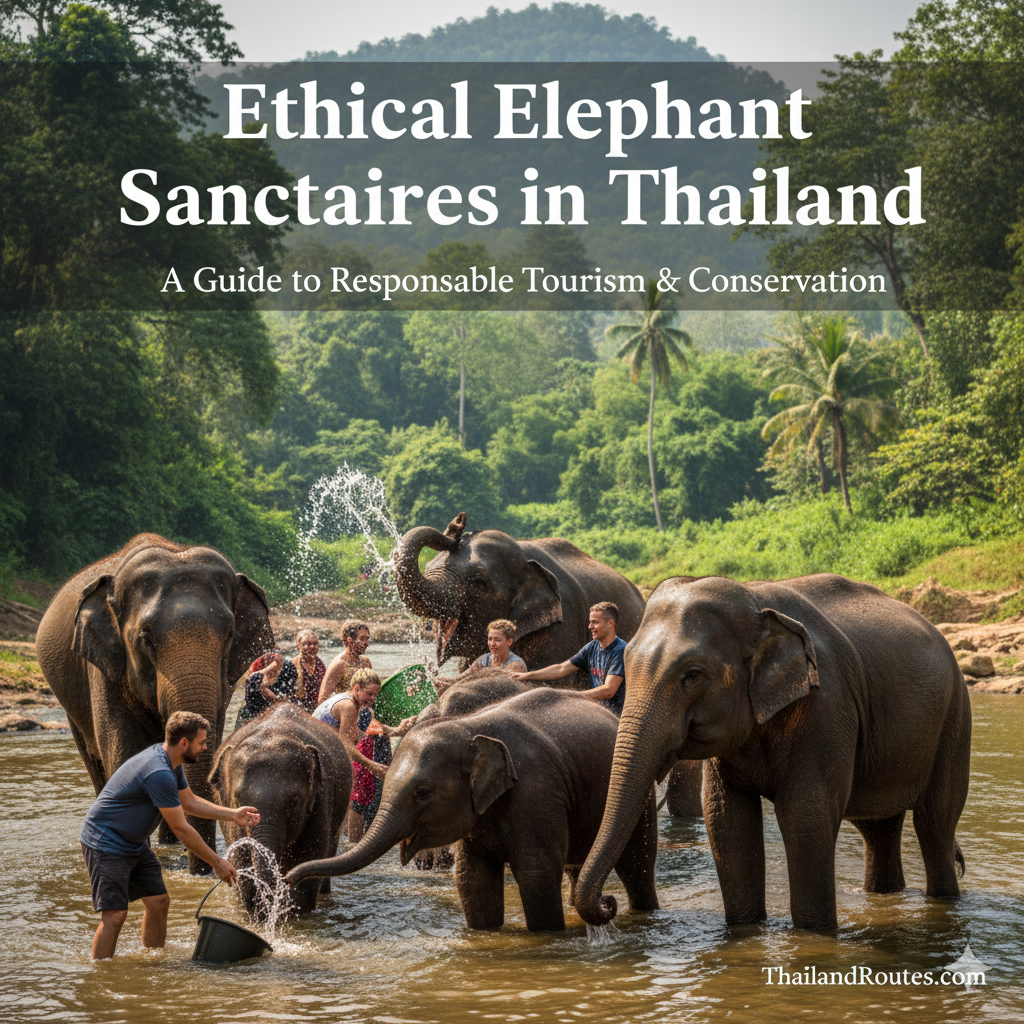
A New Era of Elephant Tourism in Thailand
For generations, elephants have held a sacred place in Thailand’s history, spirituality, and identity. Once used in royal ceremonies and later exploited in logging and tourism industries, these gentle giants have endured a complicated relationship with humans.
But in 2026, things look very different. A growing global movement toward ethical travel has reshaped elephant tourism in Thailand. Traditional elephant camps that offered rides or shows are giving way to ethical elephant sanctuaries—protected environments focused on care, rehabilitation, and conservation.
Today, responsible travelers can observe and interact with elephants without causing harm. This guide explores the best ethical elephant sanctuaries in Thailand, what to expect, how to choose responsible programs, and why your visit matters for the future of these majestic animals.
Why Elephant Sanctuaries Matter
The Asian elephant (Elephas maximus indicus) is Thailand’s national animal, but it’s also endangered. Once numbering over 100,000 in the wild, the population today is estimated to be around 3,000–4,000, with about half in captivity.
For decades, elephants were forced to:
- Carry tourists on their backs in extreme heat.
- Perform tricks in noisy shows.
- Work long hours without proper medical care.
Ethical sanctuaries emerged as a response to these conditions. They provide:
- Safe habitats for rescued elephants.
- Natural living conditions with minimal human interference.
- Proper veterinary care and nutritious diets.
- Educational programs that raise awareness about conservation.
In 2026, Thailand has stronger animal welfare laws and government oversight of elephant tourism, ensuring greater accountability for operators.
What Makes an Elephant Sanctuary “Ethical”?
Not every place that calls itself a “sanctuary” is truly ethical. Responsible sanctuaries prioritize the well-being of elephants above profit. Key features include:
- No riding, no shows: Elephants are not forced to carry people or perform tricks.
- Freedom of movement: Elephants are allowed to roam freely, not chained for long hours.
- Limited interaction: Visitors can observe, sometimes feed or walk with elephants—but never climb on them.
- Veterinary care: Elephants receive regular health checkups and proper diets.
- Transparency: Ethical sanctuaries share their mission, funding, and rescue stories openly.
- Conservation focus: Many also support breeding programs, forest restoration, or community education.
Responsible travelers should research before visiting and avoid places that advertise circus-like performances or elephant riding.
Top Ethical Elephant Sanctuaries in Thailand 2026
1. Elephant Nature Park – Chiang Mai
Perhaps the most internationally renowned ethical elephant sanctuary in Thailand, Elephant Nature Park (ENP) is a pioneer in elephant rescue and rehabilitation.
Location: Chiang Mai Province
Founded: 1990s
Mission: Rescue elephants from tourism and logging industries, provide lifelong care.
Highlights:
- Over 100 rescued elephants living freely in natural habitats.
- Educational tours and volunteer programs.
- Focus on community involvement and sustainable agriculture.
- Vegan lunch buffet for visitors.
Cost (2026): 2,500–3,500 THB per day (includes transportation and meals).
2. **Phuket Elephant Sanctuary – Phuket
This sanctuary was one of the first in southern Thailand to adopt a no-riding, no-show policy. It provides a peaceful retirement home for elephants rescued from logging and trekking industries.
Location: Phuket
Founded: 2016
Mission: Create a safe space for elderly and overworked elephants.
Highlights:
- Visitors observe elephants bathing, walking, and socializing in large forested areas.
- Elevated boardwalks allow close but respectful observation.
- Eco-friendly facilities with minimal environmental impact.
Cost (2026): 3,000–4,000 THB per person.
3. **Boon Lott’s Elephant Sanctuary – Sukhothai
A smaller, intimate sanctuary that prioritizes quality over quantity. Known for its deeply ethical practices, Boon Lott’s Elephant Sanctuary (BLES) accepts only a limited number of visitors daily.
Location: Sukhothai Province
Mission: Provide a forever home for rescued elephants and educate the public.
Highlights:
- No forced interactions—visitors observe elephants living naturally.
- Focus on long-term elephant welfare and land conservation.
- Limited guesthouse stays for immersive experiences.
Cost (2026): 5,000 THB per day (limited availability).
4. **Samui Elephant Sanctuary – Koh Samui
A model sanctuary inspired by ENP, Samui Elephant Sanctuary is perfect for travelers visiting Thailand’s famous islands.
Location: Koh Samui
Mission: Provide a humane alternative to elephant riding tourism.
Highlights:
- Gentle interaction through feeding and walking beside elephants.
- Emphasis on education and responsible tourism.
- Convenient access from popular resort areas.
Cost (2026): 2,500–3,500 THB per person.
5. **Elephants World – Kanchanaburi
Elephants World offers a combination of ethical tourism and elephant care, especially for older elephants that need special attention.
Location: Kanchanaburi Province
Mission: Care for retired elephants and involve visitors in their daily routines.
Highlights:
- Visitors help prepare elephant food and observe mud baths.
- No rides, no shows—only observation and gentle interaction.
- Riverside setting with a calm, natural environment.
Cost (2026): 2,000–3,000 THB per day.
The Typical Ethical Sanctuary Experience
When you visit an ethical elephant sanctuary in Thailand, the experience is designed to respect both the animals and visitors. Here’s what a typical day looks like:
- Arrival and Orientation: Visitors receive an introduction to the sanctuary’s mission, elephant history, and rules of interaction.
- Feeding Time: Elephants are often fed bananas, sugarcane, or fruit—handing food to them directly is allowed in some sanctuaries.
- Guided Walk: Guests walk alongside elephants as they roam freely through their habitat.
- Bathing Observation: Elephants enjoy bathing in rivers or mud ponds. Visitors may observe but not bathe the elephants directly (a major shift from old tourism models).
- Education and Conservation Talks: Learn about elephant history in Thailand, current challenges, and how sanctuaries operate.
- Vegan or Vegetarian Lunch: Many sanctuaries serve plant-based meals to align with animal welfare principles.
The pace is gentle, focused on observation, not entertainment.
Cost and Booking in 2026
Most ethical sanctuaries charge between 2,000 and 5,000 THB per person for a day visit, which typically includes:
- Transportation from nearby cities (Chiang Mai, Phuket, etc.)
- Guided tours
- Lunch and refreshments
- Entrance fees supporting elephant care
Booking Tips:
- Reserve online through official websites to ensure your money supports the sanctuary directly.
- Avoid third-party tour operators offering suspiciously cheap prices—they often work with unethical camps.
- Book at least 1–2 weeks in advance during high season (December to March).
Elephant Welfare Laws and Regulations in Thailand 2026
In recent years, the Thai government has implemented stricter animal welfare legislation. Key points include:
- Ban on elephant riding in many provinces for tourism purposes.
- Mandatory health checks for captive elephants.
- Regulation of tourist interactions to minimize stress on animals.
- Sanctuary certification system introduced in 2024 to help travelers identify truly ethical facilities.
By 2026, many unethical elephant camps have been shut down or forced to change their business models, a major victory for conservation groups.
Volunteer Programs and Long-Term Stays
Some sanctuaries offer volunteer opportunities for travelers who want to contribute more than just a one-day visit. These programs typically last from 1 week to 3 months.
Volunteers may:
- Prepare food for elephants.
- Assist in cleaning enclosures.
- Support educational tours.
- Participate in conservation projects (e.g., reforestation).
Costs range from 10,000–30,000 THB per week, covering accommodation, meals, and a contribution to elephant care.
How to Identify Fake “Sanctuaries”
Sadly, not every place that uses the word “sanctuary” operates ethically. Red flags include:
- Elephant rides or performances.
- Elephants with chains or hooks.
- Tourists bathing directly with elephants.
- Crowded and noisy visitor environments.
- Lack of transparency about funding and mission.
Always research reviews, check for certifications, and support well-known conservation organizations.
Sustainable Travel and Your Role as a Visitor
Visiting an ethical elephant sanctuary isn’t just about enjoying an incredible experience—it’s also about making responsible choices.
Ways to support ethical tourism:
- Choose sanctuaries with proven rescue and rehabilitation missions.
- Avoid any activity that involves riding or forcing elephants to interact.
- Respect the rules given by guides.
- Share your experience to raise awareness among other travelers.
- Consider donating or volunteering if you can.
The Broader Impact: Elephants, Communities, and Conservation
Ethical sanctuaries benefit more than just elephants. They also:
- Support local communities: Many hire local guides, cooks, and drivers.
- Promote education: Visitors learn about conservation issues.
- Protect the environment: Sanctuaries often engage in reforestation and land protection.
- Shift the tourism industry: Every ethical visit helps reduce demand for exploitative practices.
This positive ripple effect makes ethical elephant tourism a crucial part of Thailand’s sustainable tourism strategy in 2026.
Best Times to Visit Elephant Sanctuaries
- Cool Season (November–February): Ideal weather and comfortable temperatures.
- Hot Season (March–May): Fewer tourists, elephants enjoy mud baths more often.
- Rainy Season (June–October): Lush greenery, but trails can be muddy.
Sanctuaries operate year-round, but early morning or late afternoon tours offer the most comfortable climate for both visitors and elephants.
What to Pack for an Ethical Elephant Visit
- Lightweight, breathable clothing (that can get dirty).
- Closed-toe shoes or sandals with straps.
- Sunscreen and insect repellent.
- Reusable water bottle (plastic is discouraged).
- Camera (without flash).
- Hat and sunglasses for sun protection.
Many sanctuaries provide lockers and reusable water stations.
Frequently Asked Questions
Q: Can I ride elephants at ethical sanctuaries?
A: No. True sanctuaries never allow elephant riding or forced interaction.
Q: Are elephant sanctuaries safe to visit?
A: Yes. Elephants are accustomed to humans, and staff ensure safe distances are maintained.
Q: Can children visit elephant sanctuaries?
A: Most welcome families with children, but supervision is required.
Q: Do sanctuaries breed elephants?
A: Ethical sanctuaries focus on rescue, not breeding. If breeding occurs, it’s natural and not forced.
Q: Is it worth paying more for ethical sanctuaries?
A: Absolutely. Your fee directly supports the care and protection of elephants.
Future of Elephant Tourism in Thailand
By 2026, Thailand is emerging as a leader in ethical wildlife tourism. The transformation from exploitative elephant rides to conservation-focused sanctuaries is one of the country’s biggest tourism success stories.
Future trends:
- Expansion of government-certified ethical sanctuaries.
- Stronger legal protections for elephants.
- More eco-tourism packages tied to wildlife conservation.
- Integration of elephant protection into Thailand’s national tourism strategy.
This shift isn’t just good for elephants—it strengthens Thailand’s reputation as a responsible and sustainable travel destination.
Conclusion: A Different Kind of Elephant Experience
Ethical elephant sanctuaries offer something no elephant ride ever could: a genuine connection with nature, respect for life, and a meaningful travel experience.
Visiting these sanctuaries in 2026 is about more than taking a great photo—it’s about standing on the right side of history. By choosing responsible tourism, you help protect Thailand’s elephants, support local communities, and preserve cultural heritage for future generations.
Leave a Reply