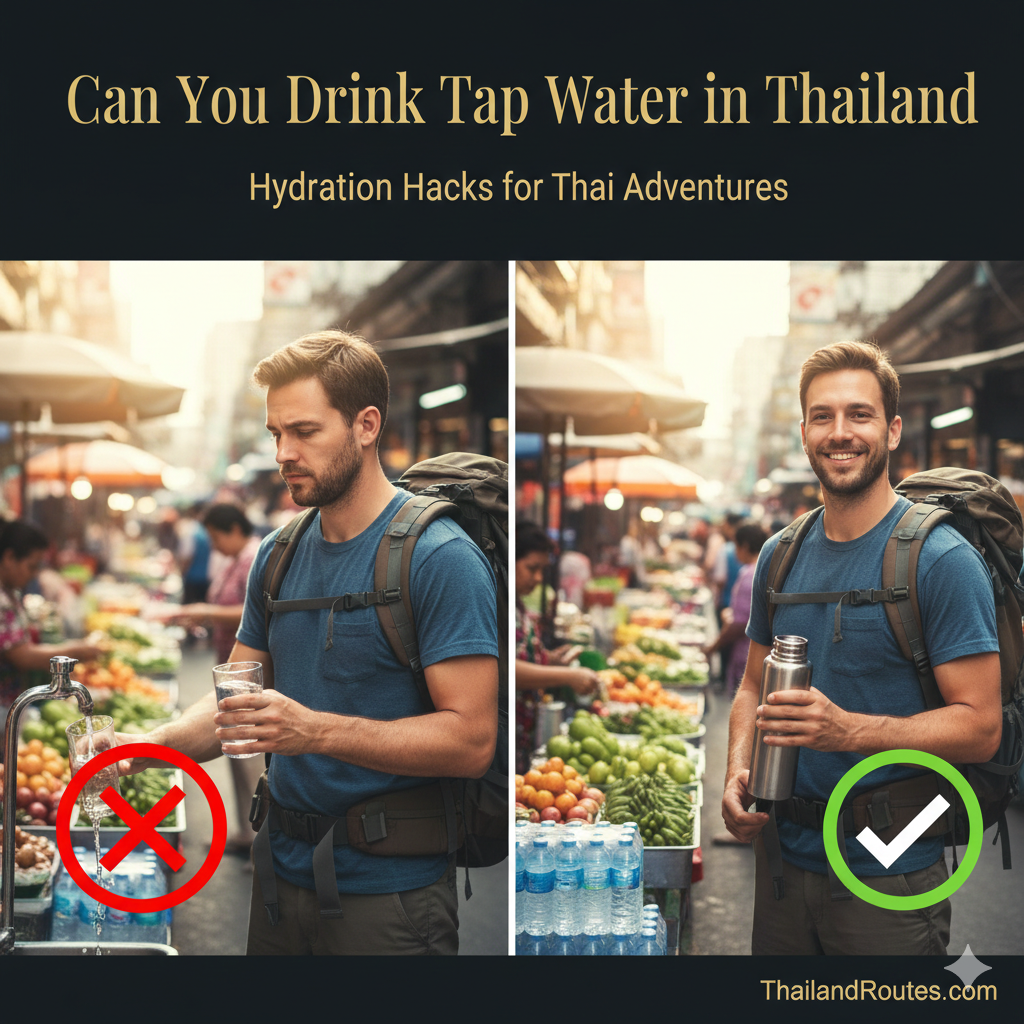
When I was planning my first trip to Thailand, I was thinking about beaches, food, and night markets — not about tap water. But at some point, I caught myself wondering, “Can I actually drink the water there?”
The simple answer is: I wouldn’t recommend it. Even though Thailand’s water system has improved a lot, tap water isn’t considered safe to drink directly in most places. It’s not that it’s always dirty, but the risk of bacteria, parasites, or old pipes makes it unreliable.
When I was there, I used tap water for showering and brushing my teeth without issues, but for drinking, I always bought bottled water or used filtered water. It’s cheap and easy to find everywhere — from convenience stores to hotels.
In this article, I’ll explain where Thailand’s tap water comes from, how locals use it, what I personally did during my trip, and the safest ways to stay hydrated and healthy while you’re there. It’s a small detail, but knowing it in advance gives you peace of mind.
1. Is Tap Water Safe to Drink in Thailand in 2026?
Even though tap water in big cities like Bangkok is treated and chlorinated, it’s still not recommended for tourists to drink. The main issue isn’t the treatment process itself—it’s the distribution system.
- Pipes in many areas are old and can introduce contaminants before the water reaches the tap.
- Water storage tanks in buildings may not be cleaned regularly.
- Microorganisms may be present in low levels that can upset a foreign traveler’s stomach.
Locals often boil tap water or rely on bottled or filtered water for drinking. Tourists, who are not used to local water bacteria, have a higher chance of getting sick from drinking directly from the tap.
2. Why Tap Water Isn’t Safe to Drink
There are several reasons why Thai tap water is considered non-potable:
- Aging Infrastructure: In older buildings, pipes can leach contaminants or allow bacteria to grow.
- Inconsistent Standards: Water quality can vary greatly between cities, towns, and rural areas.
- Storage Systems: Many buildings have rooftop tanks that may not be cleaned frequently.
- Sensitive Travelers: Even if locals tolerate it, foreign travelers may experience gastrointestinal discomfort.
The government has made improvements to water treatment plants, but the last mile of delivery remains the weak link.
3. Can You Brush Your Teeth with Tap Water in Thailand?
Yes, it’s generally safe to brush your teeth with tap water in most parts of Thailand.
- Most travelers do this without any problems.
- Make sure not to swallow the water while rinsing.
- If you have a sensitive stomach or are traveling in rural areas, use bottled or filtered water as an extra precaution.
4. Is It Safe to Use Tap Water for Cooking?
Yes, boiled tap water is safe for cooking. High temperatures kill most harmful microorganisms.
- Locals commonly use tap water for boiling rice, noodles, soups, or tea.
- Always ensure the water reaches a full boil before use.
- Avoid using unboiled tap water for washing raw vegetables unless you’re confident about the source.
5. Bottled Water: The Most Popular Option
The safest and most common way to drink water in Thailand is bottled water.
- Readily available at convenience stores like 7-Eleven, supermarkets, and street stalls.
- A 1.5-liter bottle typically costs 10–20 THB (less than $0.50).
- Many hotels provide free bottled water daily.
Pro tip: Check that the seal on the bottle cap is intact before buying or opening. This ensures the water hasn’t been refilled.
6. Water Refill Stations: An Eco-Friendly Alternative
Thailand has embraced more eco-friendly solutions in recent years. Across cities and towns, public water refill machines provide safe, filtered drinking water for just a few baht per liter.
- Bring a reusable bottle and refill it daily.
- These machines use UV filtration and carbon filters.
- Popular in residential neighborhoods and near universities.
This is an excellent option for long-term travelers or digital nomads who want to minimize plastic waste.
7. Filtered and Purified Water
Many Thais and expats rely on home or portable filtration systems. These can include:
- Carbon filters
- Reverse osmosis filters
- UV purifiers
- Portable filter bottles (ideal for travelers)
Hotels, restaurants, and cafes often serve filtered water. Still, if you have a sensitive stomach, bottled water remains the safest bet.
8. Tap Water in Rural Areas vs. Cities
Water quality differs between urban and rural areas.
Urban Areas (Bangkok, Chiang Mai, Phuket)
- Treated and chlorinated.
- Safer for brushing teeth and boiling.
- Not recommended for direct drinking.
Rural Areas
- May come from untreated or less controlled sources.
- Higher risk of bacteria or sediment.
- Bottled or filtered water is strongly recommended.
Travelers heading to islands or remote villages should bring a portable filter or stock up on bottled water before arrival.
9. Can You Drink Tap Water on Thai Islands?
Tap water on islands like Koh Samui, Koh Tao, and Phuket is not safe to drink.
- Water often comes from rainwater collection or desalination systems.
- Quality can vary widely.
- Bottled or filtered water is essential.
Many hostels and eco-resorts provide free filtered water refills to reduce plastic use.
10. Risks of Drinking Tap Water in Thailand
While many locals have no issues drinking tap water, tourists may experience:
- Stomach cramps
- Nausea
- Diarrhea (often called “traveler’s tummy”)
- Mild dehydration
These issues are rarely serious but can ruin a trip. It’s not worth the risk when bottled and filtered water is cheap and widely available.
11. Is Ice in Thailand Safe?
Yes, in most tourist areas, ice is safe because it’s made from purified water in licensed factories.
- Ice cubes with a hole in the middle usually indicate factory-made ice.
- Avoid homemade ice from unknown sources in rural areas.
- When in doubt, ask: “Is this purified ice?”
Restaurants and cafes in major cities almost always use safe ice.
12. Travel Tips to Stay Hydrated Safely
- Carry a reusable water bottle. Refill from safe sources instead of buying multiple plastic bottles.
- Avoid drinking from bathroom taps. Even in hotels, use bottled or filtered water.
- Stay hydrated in the heat. Thailand’s climate is humid, so drink plenty of safe water.
- Keep electrolyte powder handy. Useful in case of mild dehydration.
- Don’t assume luxury hotels mean safe tap water. Most will still provide bottled water.
13. What If You Accidentally Drink Tap Water?
If you accidentally swallow some tap water, don’t panic. In most cases, it causes no harm.
- Drink clean water afterward to dilute.
- Monitor for mild stomach discomfort.
- Over-the-counter medication can help if symptoms occur.
- If symptoms worsen or last more than 24–48 hours, visit a clinic or hospital.
Thailand has excellent medical facilities in major cities and tourist destinations.
14. Cost of Safe Drinking Water in Thailand
Water is very affordable in Thailand.
| Type of Water | Price (THB) | Notes |
|---|---|---|
| Bottled water (1.5L) | 10–20 THB | Available everywhere |
| Refill station water | 1–5 THB per liter | Eco-friendly and clean |
| Filtered water (hotels/restaurants) | Usually free | Ask if it’s filtered |
| Imported bottled water | 25–50 THB | Premium brands, not necessary for safety |
Even budget travelers can easily afford clean drinking water throughout their stay.
15. Portable Water Filters for Travelers
For long trips or eco-conscious travelers, portable filters are a smart investment.
Popular options include:
- Filter bottles with carbon or UV purification
- Straw filters (lightweight, ideal for backpacking)
- Gravity filters for group travel
These filters allow you to safely drink from tap water or natural sources in emergencies, saving both money and plastic waste.
16. Government Standards and Improvements
Thailand has made progress in improving tap water infrastructure. Metropolitan Waterworks Authority (MWA) monitors water quality in major cities, ensuring it meets national safety standards.
However:
- Regulations focus on treatment, not building-level storage.
- Rural areas may not meet the same standards.
- Travelers are still advised to avoid drinking from the tap directly.
These efforts mean brushing teeth and using boiled water is safer than in past decades, but direct consumption remains a risk.
17. Environmental Concerns: Reducing Plastic Waste
Thailand faces plastic pollution challenges, and bottled water consumption is a major contributor.
To minimize waste:
- Use refill stations when possible.
- Carry a reusable bottle.
- Support hotels and cafes that offer filtered water refills.
- Avoid buying small plastic bottles repeatedly.
Traveling responsibly helps protect Thailand’s beaches, rivers, and wildlife.
18. Local Habits and Cultural Insights
Even most Thais don’t drink water straight from the tap.
- They usually buy bottled water or use filtration systems at home.
- Restaurants and cafes almost always serve purified water.
- Guests are often offered bottled water as a courtesy.
So, choosing bottled or filtered water as a tourist doesn’t make you stand out—it’s exactly what locals do.
19. Common Myths About Tap Water in Thailand
Myth 1: “Tap water is fine in big hotels.”
– Not necessarily. Most hotels still provide bottled water because they don’t guarantee tap water quality.
Myth 2: “If locals drink it, it must be safe.”
– Locals have built immunity to low-level bacteria over time; travelers haven’t.
Myth 3: “Filtered water and tap water are the same.”
– Filtered water removes contaminants and is safe; tap water may not be.
20. Final Thoughts: Stay Safe, Stay Hydrated
In 2026, tap water in Thailand is not safe for drinking, even though treatment systems have improved. The safest and most practical choice for travelers remains bottled or filtered water.
- Brush your teeth with tap water in most cities, but don’t swallow it.
- Use bottled or boiled water for drinking.
- Choose refill stations or filters to reduce plastic waste.
- Be extra cautious in rural areas and on islands.
With this simple approach, you’ll avoid unnecessary stomach issues and focus on enjoying Thailand’s incredible culture, food, and natural beauty. Safe hydration is one of the easiest ways to keep your journey smooth and memorable.
Leave a Reply