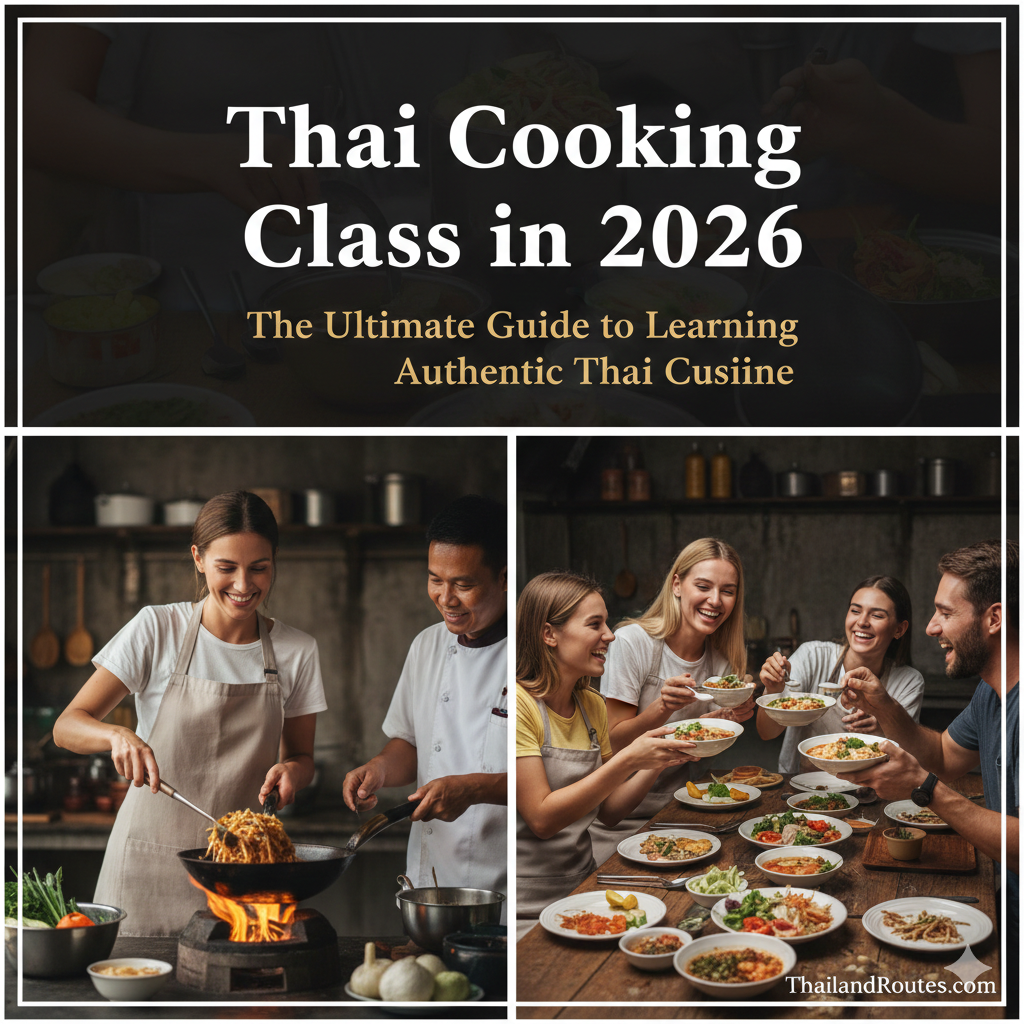
During our trip to Thailand, my girlfriend joined a cooking class. At first, I assumed it would be just another tourist activity. But after hearing about her experience, I changed my mind.
The class began with a visit to a local market. The instructor explained each ingredient and how it’s used in Thai cuisine. She was especially impressed by the fresh herbs and spices. She had eaten Pad Thai before, but this was the first time she truly understood how the sauce is prepared.
After the market visit, they moved to the kitchen. Everyone had their own station and prepared the dishes themselves. They made Green Curry, Tom Yum soup, and Mango Sticky Rice. What she enjoyed most was the hands-on experience. She wasn’t just watching — she was chopping, cooking, and adjusting the flavors on her own.
Later, she told me she now sees Thai food differently. Not just as something delicious, but as something she understands how to make.
In 2026, Thai cooking schools are well organized. There are half-day and full-day options. Some classes take place in the city, while others are held on organic farms. Prices vary depending on the location and program, but they are generally reasonable.
In this guide, based on her experience, I’ll explain the types of cooking classes available in Thailand, what you can expect, the best cities to join one, average prices, and useful cultural tips. If you’re visiting Thailand and enjoy food, this experience adds real depth to your trip.
1. Why Take a Thai Cooking Class in 2026?
Thai cooking isn’t just about recipes—it’s a cultural language. Joining a class helps you:
- Understand local ingredients: Learn about herbs, spices, and fresh produce.
- Discover food culture: Understand why balance matters in Thai cuisine.
- Learn practical skills: Recreate your favorite dishes at home.
- Connect with locals: Meet chefs, market vendors, and fellow travelers.
- Support sustainable tourism: Many schools now use organic ingredients and farm-to-table models.
Cooking classes are available year-round and cater to everyone—beginners, home cooks, or professional chefs seeking authentic training.
2. A Brief Overview of Thai Cuisine
Before you step into the kitchen, it helps to understand what makes Thai food unique.
- Balance of Flavors: Thai cuisine is famous for its harmony between sweet, salty, sour, and spicy.
- Fresh Ingredients: Herbs like lemongrass, kaffir lime leaves, galangal, and Thai basil are essential.
- Regional Diversity:
- Central Thai cuisine: Known for dishes like Pad Thai and Tom Yum soup.
- Northern Thai cuisine: Less spicy, featuring Khao Soi and herbal flavors.
- Northeastern (Isaan) cuisine: Bold, spicy dishes like Som Tam (papaya salad) and grilled meats.
- Southern Thai cuisine: Rich, coconut-based curries with strong chili heat.
Taking a cooking class gives you a taste of these regional differences and their culinary traditions.
3. Types of Thai Cooking Classes in 2026
Thai cooking schools offer a variety of experiences, depending on your time, skill level, and interests.
1. Half-Day Classes
- Ideal for travelers with tight schedules.
- Includes a market visit, 2–4 dishes, and hands-on instruction.
- Duration: 3–4 hours.
2. Full-Day Classes
- More immersive with a wider variety of dishes.
- Includes cooking 4–6 dishes, desserts, and sometimes farm visits.
- Duration: 6–8 hours.
3. Farm-to-Table Experiences
- Hosted outside the city at organic farms.
- Participants pick ingredients themselves before cooking.
- Focus on sustainability and traditional methods.
4. Street Food & Market Classes
- Ideal for food lovers who want to recreate street food classics.
- Learn fast, flavorful dishes cooked on woks and grills.
5. Professional-Level Courses
- Multi-day or week-long programs.
- In-depth culinary training for serious cooks.
- Offered by certified culinary schools.
4. What to Expect During a Thai Cooking Class
Most Thai cooking classes follow a well-structured format, designed to be educational and fun.
Step 1: Market Visit
Many classes start with a guided tour of a local market. You’ll learn to identify herbs, sauces, vegetables, and proteins. Chefs explain how to select the freshest ingredients and share local shopping customs.
Step 2: Introduction to Ingredients
Back at the school, you’ll get a detailed explanation of Thai spices, curry pastes, sauces, and traditional kitchen tools like the mortar and pestle.
Step 3: Hands-On Cooking
Each participant prepares their own dishes with guidance from the instructor. It’s common to cook multiple courses, such as:
- Starter (spring rolls or salad)
- Soup (Tom Yum or Tom Kha)
- Main dish (Pad Thai, curry, stir fry)
- Dessert (mango sticky rice)
Step 4: Eating Together
After cooking, everyone sits down to enjoy their creations. It’s a social moment that reflects Thai hospitality.
Step 5: Recipe Booklet or Digital Copy
Most schools provide printed or digital recipes so you can recreate the dishes at home.
5. Popular Dishes You’ll Learn to Cook
Thai cooking classes typically teach well-known favorites that are simple yet flavorful.
- Pad Thai: Stir-fried noodles with tamarind sauce, tofu, shrimp, peanuts, and lime.
- Tom Yum Goong: Spicy-sour soup with shrimp, lemongrass, and kaffir lime.
- Green Curry (Gaeng Keow Wan): Coconut milk-based curry with chicken or vegetables.
- Som Tam: Fresh papaya salad with chili, lime, and fish sauce.
- Spring Rolls: Crispy rolls filled with vegetables or meat.
- Mango Sticky Rice: Thailand’s iconic dessert with sweet coconut milk.
Some classes offer regional specialties like Khao Soi in the north or Massaman curry in the south.
6. Best Places in Thailand for Cooking Classes
Thailand’s diverse regions offer unique culinary experiences.
1. Bangkok – The Culinary Capital
Bangkok is ideal for travelers who want to learn both street food and royal Thai cuisine.
- Easily accessible schools.
- Focus on central Thai dishes.
- Combines modern facilities with market tours.
Popular options include classes near Chatuchak Market and Sukhumvit.
2. Chiang Mai – Traditional and Farm-to-Table
Chiang Mai is famous for its relaxed atmosphere and organic cooking schools.
- Many classes are held on farms.
- Strong focus on Northern Thai cuisine like Khao Soi.
- Ideal for those who want a cultural, hands-on experience.
3. Phuket – Coastal Flavors
Phuket cooking classes focus on Southern Thai cuisine, known for bold flavors and seafood.
- Classes often feature beachside settings.
- Ideal for seafood lovers.
4. Ayutthaya – Historical Flavors
Ayutthaya offers unique culinary heritage, emphasizing royal Thai recipes.
- Quieter environment than Bangkok.
- Good for history and culture enthusiasts.
5. Koh Samui & Other Islands
For travelers who prefer a tropical backdrop.
- Casual and relaxed classes.
- Often combined with resort packages.
7. Pricing for Thai Cooking Classes in 2026
The cost of a Thai cooking class depends on duration, location, and the type of experience.
| Class Type | Duration | Price (THB) | Price (USD Approx.) |
|---|---|---|---|
| Half-day | 3–4 hours | 1,200–1,800 THB | $35–50 |
| Full-day | 6–8 hours | 1,800–3,000 THB | $50–85 |
| Farm-to-table | 6–8 hours | 2,000–3,500 THB | $55–95 |
| Street food workshop | 2–3 hours | 1,000–1,500 THB | $28–42 |
| Professional course | Multi-day | 6,000–15,000+ THB | $170–420+ |
Many schools include transportation, recipe booklets, and complimentary drinks in the price.
8. Booking a Thai Cooking Class
Online Booking
- Popular platforms like GetYourGuide, Viator, and direct websites make it easy to book in advance.
- Booking early guarantees your spot, especially in high season.
Walk-In Booking
- Possible in places like Chiang Mai or Phuket, where many schools welcome walk-ins.
- Often cheaper but less guaranteed during peak travel months.
9. Tips for Choosing the Right Cooking Class
- Check group size: Smaller groups offer more personal attention.
- Look for market tours: These give valuable ingredient knowledge.
- Ask about dietary options: Many schools accommodate vegetarians, vegans, or gluten-free diets.
- Read reviews: Past students’ feedback can reveal the quality of the experience.
- Consider location: Choose a school close to your accommodation.
10. Cultural Etiquette in the Kitchen
Cooking in Thailand involves more than techniques—it’s about respecting tradition.
- Respect ingredients: Nothing is wasted in traditional Thai kitchens.
- Be mindful of spice: Thai dishes are customizable—don’t overdo it if you’re new to chilies.
- Listen to the chef: Many instructors are passionate home cooks with generational knowledge.
- Embrace teamwork: Thai cooking is often communal.
11. Sustainable and Eco-Friendly Cooking Classes
In 2026, many Thai cooking schools focus on sustainability:
- Sourcing ingredients from local farms.
- Using biodegradable packaging and reusable utensils.
- Teaching how to reduce food waste.
- Promoting traditional farming methods.
Participating in these classes helps support local farmers and protect Thai culinary heritage.
12. Learning About Thai Ingredients
A highlight of any Thai cooking class is discovering the ingredients.
Common Ingredients:
- Lemongrass
- Kaffir lime leaves
- Galangal
- Thai basil and holy basil
- Fish sauce, oyster sauce, soy sauce
- Coconut milk
- Chili paste and curry pastes
You’ll also learn how to substitute these ingredients at home, making it easy to recreate dishes even if you live abroad.
13. Cooking Tools You’ll Use
- Wok: The heart of Thai cooking, perfect for stir-fries and noodles.
- Mortar and pestle: Used to crush herbs and make curry paste.
- Rice cooker: Essential for fluffy jasmine rice.
- Cleaver or sharp knives: For prepping ingredients.
- Bamboo baskets: For steaming sticky rice.
These tools reflect centuries of culinary tradition and practicality.
14. Thai Cooking Classes for Families and Groups
Cooking classes are not just for solo travelers. Many schools offer special programs for:
- Families with children: Fun, hands-on experiences that are safe for kids.
- Couples: Romantic and interactive culinary dates.
- Corporate groups: Team-building through cooking competitions.
These group settings create shared memories that go beyond the kitchen.
15. Thai Cooking Classes for Vegetarians and Vegans
Thai cuisine naturally includes many plant-based options, making it ideal for vegetarians. Many schools offer:
- Tofu and vegetable substitutes for meat.
- Vegan curry pastes (without shrimp paste).
- Dairy-free desserts.
Popular vegan dishes include stir-fried vegetables, tofu Pad Thai, coconut curry, and fresh salads.
16. Advanced Courses and Culinary Tourism
For those who want to take their skills to the next level:
- Multi-day courses: In-depth training in Thai cuisine.
- Chef certification: Offered by select schools in Bangkok and Chiang Mai.
- Culinary tours: Combine cooking classes with food markets, farms, and street food trails.
Culinary tourism has grown significantly in Thailand, making it an exciting option for serious food enthusiasts.
17. Bringing Thailand Home: Skills You’ll Learn
After completing a Thai cooking class, you’ll be able to:
- Identify and use authentic Thai ingredients.
- Make curry pastes from scratch.
- Balance flavors like a Thai chef.
- Cook multiple dishes quickly and efficiently.
- Adapt recipes to local ingredients back home.
Many schools offer follow-up online materials and communities so you can keep practicing.
18. Best Time to Take a Thai Cooking Class
Cooking classes are available year-round, but some periods offer special benefits:
- Cool Season (Nov–Feb): Comfortable temperatures for outdoor farm classes.
- Hot Season (Mar–May): Perfect for indoor classes and street food exploration.
- Rainy Season (Jun–Oct): Less crowded, often discounted rates.
Morning classes are cooler and usually include fresh market visits, while afternoon sessions are more relaxed.
19. Common Mistakes to Avoid
- Overestimating your spice tolerance.
- Not tasting as you cook—Thai cuisine is all about balance.
- Rushing through prep work.
- Forgetting to take notes or photos for later reference.
- Skipping market visits (they’re a crucial learning experience).
Being patient and curious makes the class much more enjoyable.
20. Final Thoughts: Cooking Your Way Through Thailand
A Thai cooking class is more than a few hours in a kitchen—it’s a journey into the heart of Thai culture. You’ll discover the stories behind each ingredient, the techniques passed down through generations, and the joy of sharing a freshly cooked meal with new friends.
In 2026, Thai cooking schools are more diverse, sustainable, and accessible than ever. Whether you choose a quick market class in Bangkok, a farm-to-table experience in Chiang Mai, or a beachfront workshop in Phuket, the memories you create will last long after your trip ends.
Learning to cook Thai food isn’t just about mastering recipes. It’s about bringing home a piece of Thailand itself—one flavorful bite at a time.
Leave a Reply