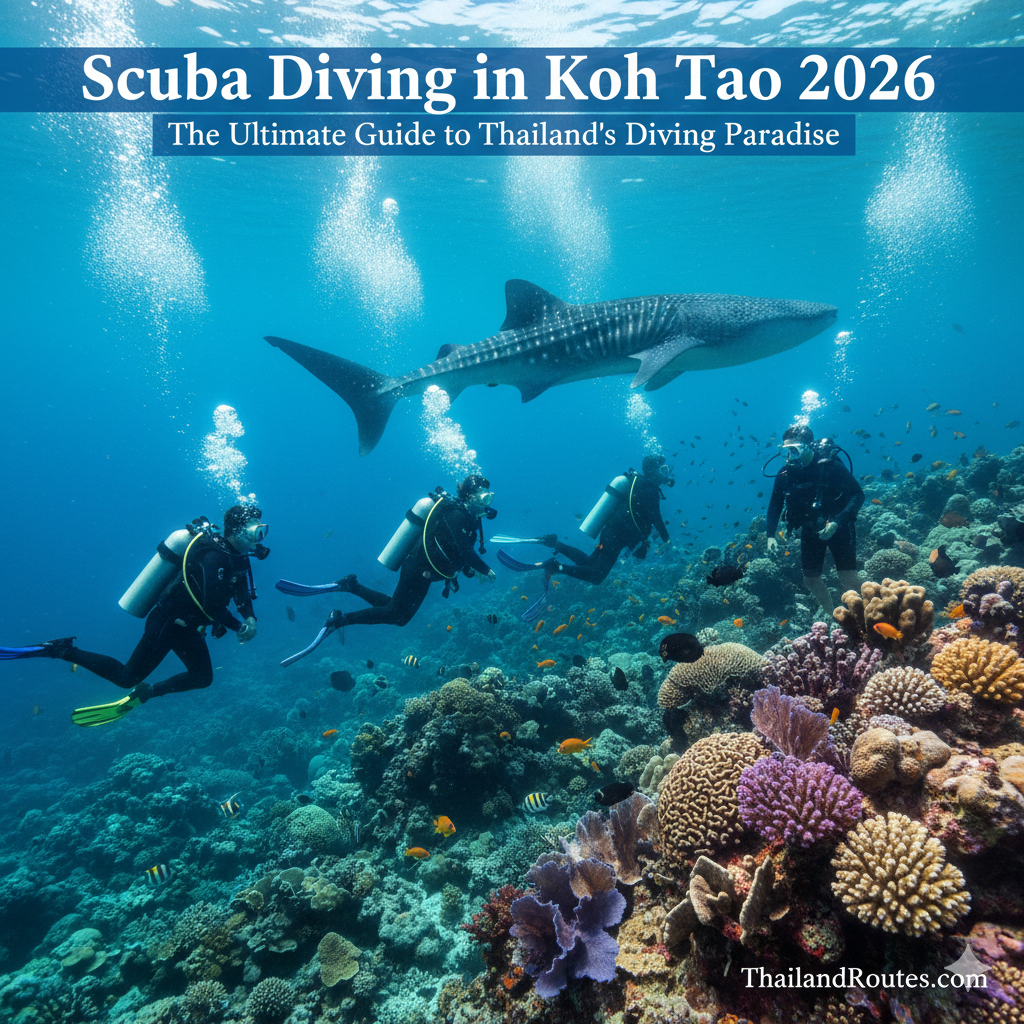
Why Koh Tao Is the Heart of Diving in Thailand
Nestled in the Gulf of Thailand, Koh Tao has earned a global reputation as one of the best and most affordable scuba diving destinations in the world. Known as “Turtle Island,” Koh Tao combines calm turquoise waters, rich marine biodiversity, and top-tier dive schools, making it a magnet for both beginners and experienced divers.
By 2026, Koh Tao continues to lead Thailand’s diving scene, offering improved conservation programs, stricter reef protections, and modernized dive training centers. Whether you want to get your first scuba certification or explore a legendary wreck, Koh Tao is a world-class destination where the underwater world feels closer than ever.
The Allure of Diving in Koh Tao
Koh Tao’s unique appeal lies in its combination of natural beauty, accessibility, and affordability. Unlike many tropical dive spots that cater mainly to seasoned divers, Koh Tao welcomes everyone—from absolute beginners to advanced professionals.
Why Koh Tao stands out in 2026:
- Warm water temperatures year-round (27–30°C / 80–86°F).
- Excellent underwater visibility, averaging 10–30 meters.
- More than 25 established dive sites accessible by short boat rides.
- Dozens of dive schools offering courses in multiple languages.
- Affordable pricing compared to other global dive destinations.
- Commitment to coral reef protection and eco-diving programs.
Best Time to Dive in Koh Tao
While diving is possible year-round, certain months offer better conditions.
- Best Season: March to October — calm seas, excellent visibility, warm water.
- Peak Visibility: July to September — up to 30 meters visibility.
- Low Season: November to February — some rain and choppier waters, but diving continues with fewer crowds.
For beginners, late spring to early autumn provides the most comfortable conditions both above and below the surface.
Top Dive Sites in Koh Tao
Koh Tao boasts some of the most diverse and easily accessible dive sites in Southeast Asia. Here are the top picks for 2026:
1. **Chumphon Pinnacle – The Crown Jewel
Depth: 14–35 meters | Experience: Intermediate to Advanced
Chumphon Pinnacle is a submerged granite pinnacle located a short boat ride north of Koh Tao.
Highlights:
- Shoals of trevally and barracuda.
- Occasional visits from Rhincodon typus (whale sharks).
- Dense anemone gardens and massive groupers.
- Strong currents at times, adding to the challenge.
2. **Sail Rock – Thailand’s Famous Dive Spot
Depth: 5–40 meters | Experience: All levels
Located between Koh Tao and Koh Phangan, Sail Rock is famous for its towering pinnacle and vertical swim-through chimney.
Highlights:
- Exceptional visibility.
- Schooling barracuda and batfish.
- Whale shark sightings in March–May.
- Great site for Advanced Open Water dives.
3. **Shark Bay – Easy Dive with Big Encounters
Depth: 5–20 meters | Experience: Beginner to Intermediate
Despite its name, Shark Bay offers gentle diving conditions and encounters with blacktip reef sharks (harmless and beautiful to watch).
Highlights:
- Sea turtles and reef sharks.
- Shallow coral gardens.
- Ideal for beginners and underwater photographers.
4. **White Rock – A Koh Tao Classic
Depth: 5–22 meters | Experience: Beginner to Intermediate
One of the most visited sites on Koh Tao, White Rock is ideal for training dives and fun dives alike.
Highlights:
- Expansive coral gardens.
- Blue-spotted stingrays, angelfish, and moray eels.
- Excellent night dives with bioluminescence and reef activity.
5. **HTMS Sattakut – Wreck Diving Adventure
Depth: 18–30 meters | Experience: Advanced
This ex-Thai Navy ship was purposefully sunk near Sairee Beach in 2011. It has become a thriving artificial reef.
Highlights:
- Wreck penetration for certified divers.
- Schooling barracuda and snapper.
- Excellent training site for advanced courses.
6. **Green Rock – Swim-Throughs and Caves
Depth: 10–28 meters | Experience: Intermediate
A playground of small caves, crevices, and swim-throughs surrounded by schools of fish.
Highlights:
- Unique rock formations.
- Triggerfish, fusiliers, and groupers.
- Good current training site.
Marine Life You’ll See
Koh Tao’s waters host a stunning array of marine species. Some of the most common encounters include:
- Tropical Fish: Butterflyfish, angelfish, triggerfish, parrotfish.
- Larger Species: Groupers, barracuda, batfish, trevally.
- Pelagics: Whale sharks (seasonal), blacktip reef sharks.
- Invertebrates: Sea anemones, nudibranchs, sea cucumbers, octopuses.
- Other: Green sea turtles and blue-spotted stingrays.
Thanks to conservation programs introduced in recent years, coral cover has been improving steadily, especially around protected zones.
Dive Courses and Certifications
Koh Tao is one of the most popular places in the world to learn scuba diving, often issuing more certifications annually than anywhere except Australia.
Beginner Courses:
- PADI Open Water Diver or equivalent
Duration: 3–4 days
Cost: 10,000–13,000 THB
Includes classroom sessions, confined water training, and 4 open-water dives. - SSI Open Water Diver
Similar structure to PADI, often slightly cheaper.
Advanced Courses:
- Advanced Open Water Diver
Duration: 2–3 days
Cost: 10,000–12,000 THB
Includes deep diving, navigation, and elective dives like night or wreck diving. - Rescue Diver + Emergency First Response
Duration: 3–4 days
Cost: 12,000–14,000 THB
Professional Training:
- Divemaster Course
Duration: 4–8 weeks
Cost: 35,000–50,000 THB
Ideal for those who want to work in the diving industry.
Courses are available in multiple languages, and many dive schools offer package deals that include accommodation.
Dive Schools and Centers
Koh Tao is home to over 70 dive centers, ranging from budget backpacker operations to 5-star Instructor Development Centers.
Popular and reputable schools include:
- Ban’s Diving Resort (one of the world’s largest certifying centers)
- Big Blue Diving
- Master Divers
- Simple Life Divers
- New Heaven Dive School (renowned for its conservation programs)
Many schools offer package deals including accommodation, transfers, and even eco-diving workshops.
Diving Costs in Koh Tao 2026
| Experience Level | Cost (THB) | Inclusions |
|---|---|---|
| Discover Scuba Dive (1 day) | 2,500–3,500 THB | 1–2 dives, equipment, instructor |
| Open Water Course (3–4 days) | 10,000–13,000 THB | Theory, pool training, 4 dives, certification |
| Advanced Course | 10,000–12,000 THB | 5 adventure dives, certification |
| Fun Dive (Certified Diver) | 1,000–1,500 THB | 1 tank dive with guide |
| Night Dive | 1,200–1,800 THB | 1 tank dive with light |
| Divemaster Training | 35,000–50,000 THB | Professional training program |
Koh Tao’s affordability is one of its biggest draws. The same courses can cost two to three times more in other parts of the world.
Diving Conditions
- Water Temperature: 27–30°C year-round
- Visibility: 10–30 meters (best July–September)
- Currents: Generally mild, but some deeper sites can have stronger currents
- Depths: Ranging from shallow training reefs to advanced wrecks at 30 meters
- Surface Conditions: Calm most of the year
These conditions make Koh Tao ideal for both beginner and advanced diving.
Equipment and Gear
Most dive centers provide full equipment in their packages, including:
- BCD (Buoyancy Control Device)
- Regulator and gauges
- Mask, snorkel, and fins
- Wetsuit (shorty)
- Dive computer or depth gauge
Many divers who plan extended stays bring their own mask and snorkel for comfort. Equipment is generally well-maintained due to the high volume of students and strict standards.
Safety and Regulations
Diving in Koh Tao is considered safe thanks to its shallow, calm waters and experienced instructors. However, proper safety protocols are always in place.
- Maximum depth: 18 meters for Open Water divers, 30 meters for Advanced.
- Safety stops are mandatory for dives deeper than 18 meters.
- Dive insurance is recommended but often included in course fees.
- Emergency facilities: Koh Tao has a hyperbaric chamber for decompression illness.
In 2026, all licensed dive operators must comply with Thailand’s enhanced marine safety regulations, including environmental guidelines and staff certifications.
Eco-Diving and Marine Conservation
Koh Tao is also a leader in marine conservation. Many dive schools partner with NGOs to restore coral reefs, monitor marine life, and educate divers.
Ongoing programs in 2026 include:
- Coral transplantation projects.
- Reef cleanup dives.
- Citizen science initiatives.
- Plastic-free dive operations.
Choosing an eco-certified dive center not only improves your experience but helps protect Koh Tao’s reefs for future generations.
Accommodation and Dive Packages
Koh Tao offers a range of lodging options—from simple hostels to beachside resorts—many tied to dive schools.
- Budget: 300–800 THB per night (often free with dive course)
- Mid-range: 1,000–2,000 THB per night
- Luxury: 3,000+ THB per night, often including private beach access
Booking a dive + stay package is often cheaper and more convenient than arranging separately.
Getting to Koh Tao
There’s no airport on the island, so visitors typically arrive via ferry.
From Bangkok:
- Flight or train to Chumphon Province or Surat Thani Province.
- Ferry to Koh Tao (1.5–3 hours).
From Koh Samui or Koh Phangan:
- Regular ferry services to Koh Tao.
Most dive schools can arrange transfers for their students, simplifying travel logistics.
Beyond Diving: What Else to Do on Koh Tao
While diving is the main attraction, Koh Tao offers plenty of topside activities too:
- Snorkeling: Many reefs are accessible directly from the beach.
- Viewpoints: Stunning panoramic views from John-Suwan Viewpoint.
- Kayaking and paddleboarding: Great way to explore hidden coves.
- Beach bars and restaurants: Relax after a dive with a sunset cocktail.
- Yoga and wellness: Koh Tao has a thriving yoga and health community.
This mix of underwater and island experiences makes Koh Tao perfect for both short trips and long stays.
Tips for First-Time Divers in Koh Tao
- Book early during high season (July–September).
- Choose a reputable dive center with strong safety and environmental policies.
- Don’t fly within 18–24 hours after diving.
- Stay hydrated and avoid alcohol before dives.
- Bring a reusable water bottle and reef-safe sunscreen.
These simple steps will help you have a safe, enjoyable, and eco-friendly dive trip.
Frequently Asked Questions
Q: Do I need to be a strong swimmer to dive in Koh Tao?
A: No. Basic swimming skills are enough. Instructors guide you through every step.
Q: How long does it take to get certified?
A: The Open Water course typically takes 3–4 days.
Q: Is it safe to dive in Koh Tao?
A: Yes. It’s one of the safest dive locations in Asia, with trained professionals and calm waters.
Q: When can I see whale sharks?
A: March to May is the best season for whale shark sightings, especially at Chumphon Pinnacle.
Q: Can I rent equipment if I’m already certified?
A: Absolutely. Most dive centers rent full gear or offer discounted fun dives for certified divers.
Suggested 4-Day Diving Itinerary
Day 1:
- Arrive on Koh Tao, settle in, explore Sairee Beach.
- Orientation session with dive center.
Day 2:
- Open Water course theory and confined water dives.
- Sunset dinner on the beach.
Day 3:
- Open Water training dives at White Rock and Shark Bay.
- Optional night dive.
Day 4:
- Final certification dives at Chumphon Pinnacle.
- Afternoon relaxation or hike to a viewpoint.
This plan suits beginners, but advanced divers can easily adapt it to explore more challenging sites.
Koh Tao Diving in 2026: A Sustainable Future
Koh Tao has grown from a small fishing island into an international diving hub, but it has also taken responsibility for protecting its reefs. By 2026, the island enforces strict eco-tourism standards, limits on boat traffic in sensitive areas, and supports coral restoration projects.
This balance between tourism and conservation ensures that Koh Tao will remain one of the best diving destinations in the world for decades to come.
Leave a Reply